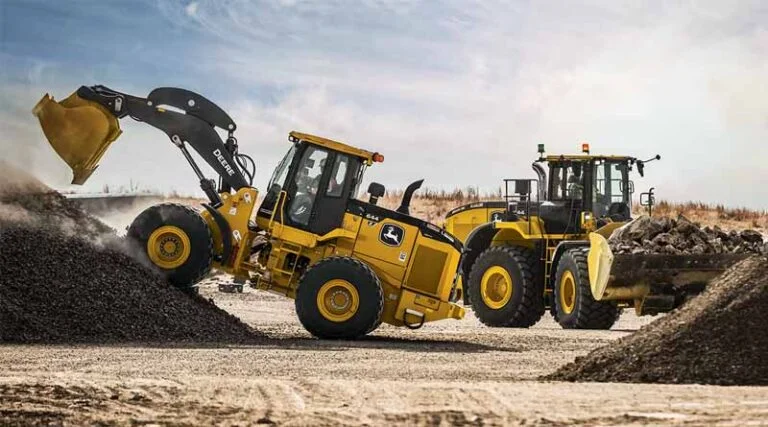
Agriculture relies heavily on efficiency, speed, and reliable machinery to keep daily operations running smoothly. Wheel loaders are among the most adaptable devices used in farms and Agricultural facilities because of their capacity to precisely and powerfully perform a variety of material-moving activities. Their combination of mobility, lifting strength, and adaptability makes them essential partners in agricultural material handling, helping farmers manage everything from feed and grain to manure and silage. As farms grow larger and operations become more complex, the role of the Volvo L70H wheel loader continues to expand, offering solutions that save time and reduce labor demands.
Versatility That Meets The Demands Of Modern Farming
One of the greatest advantages of wheel loaders is their versatility. They can be outfitted with a wide variety of accessories, enabling a single machine to serve several purposes all day long. Buckets, bale grabs, forks, silage cutters, and high-capacity grain attachments make it possible for operators to switch tasks quickly without needing separate equipment for each job. This adaptability is especially valuable in busy agricultural environments where timing is critical during harvesting, feeding schedules, and daily facility management. Wheel loaders help streamline operations by reducing equipment changeovers and allowing a single operator to handle various duties with ease.
Superior Material Handling Power For Heavy Loads
Agricultural materials often involve substantial weight and volume. Grain, soil, manure, and silage must be moved efficiently to maintain productivity and cleanliness across the farm. Wheel loaders are built to handle these heavy loads with stability and precision. Their powerful hydraulic systems provide impressive lifting capacity, while their robust frames and articulated steering ensure controlled movement even on uneven ground. This capability significantly reduces the physical strain and time otherwise required when using smaller machinery. By improving load-handling power, wheel loaders contribute directly to smoother operations during busy seasons such as planting and harvesting.

Efficiency In Feed Management And Daily Livestock Operations
For livestock farms, wheel loaders are indispensable in managing feed distribution and maintaining clean, safe environments. They allow operators to lift heavy feed loads, transport them quickly, and place materials exactly where needed. Whether loading mixer wagons, refreshing bedding, or cleaning out barns, wheel loaders increase day-to-day efficiency and reduce the manual work needed to support large herds. This consistent, reliable performance ensures that animals receive timely feeding and that work areas remain well-maintained, which can positively affect overall herd health and productivity.
Streamlining Storage And Transport Of Bulk Materials
Agriculture requires constant movement of bulk materials into storage facilities such as silos, barns, or grain sheds. Wheel loaders help streamline this process by offering quick cycle times and the ability to maneuver smoothly in tight spaces. Their articulated steering allows operators to navigate narrow entryways and turn efficiently in crowded storage yards. When paired with high-capacity buckets, wheel loaders speed up loading and unloading operations, reducing downtime for trucks and other transport machinery. This improved workflow is particularly beneficial during harvest season, when speed and timing are essential for protecting crop quality.
Improving Soil And Field Preparation Tasks
While wheel loaders are not traditional field tractors, they often support land preparation tasks on farms. They can move soil, compost, sand, and other amendments across fields or construction areas, helping prepare the ground for planting or new building projects. Their strength and adaptability enable them to assist with tasks such as clearing debris, leveling land, or transporting heavy loads of fertilizer or mulch. This ability to support both field and facility operations enhances their value as multifunctional agricultural machines.

Enhanced Safety Features For Farm Environments
Modern wheel loaders integrate advanced safety features that make them ideal for agricultural settings. High-visibility cabins, ergonomic controls, and stability systems allow operators to handle materials confidently even in busy farmyards. Anti-rollover systems, responsive braking, and improved load cutoff technologies help ensure safe operation when working with heavy or unstable cargo. Everyone on the farm may work in a safer atmosphere thanks to these elements, which lower the chance of accidents.
A Reliable Partner For Growing Agricultural Needs
As farms continue to expand their production and storage capacity, efficiency becomes increasingly important. Wheel loaders support this growth by offering reliable performance, mechanical strength, and unmatched versatility. Their ability to handle multiple material types, navigate challenging terrain, and operate continuously throughout long workdays makes them indispensable for modern agricultural operations. By improving productivity, reducing labor demands, and supporting safe workflow practices, wheel loaders play a vital role in moving the agricultural sector forward.